5G Network
6
Technologyi
GSM / CDMA / HSPA / EVDO / LTE / 5G
GSM / HSPA / LTE / 5G 2G Bandsi
GSM 850 / 900 / 1800 / 1900 CDMA 800 / 1900
GSM 850 / 900 / 1800 / 1900 3G Bandsi
HSDPA 850 / 900 / 1700(AWS) / 1900 / 2100 CDMA2000 1xEV-DO
HSDPA 800 / 850 / 900 / 1700(AWS) / 1900 / 2100 4G Bandsi
1, 2, 3, 4, 5, 7, 8, 12, 13, 17, 18, 19, 20, 25, 26, 28, 38, 39, 40, 41, 66
1, 2, 3, 4, 5, 7, 8, 18, 19, 20, 25, 26, 28, 32, 34, 38, 39, 40, 41, 42, 43, 48, 66 5G Bandsi
1, 2, 3, 5, 7, 8, 12, 20, 25, 26, 28, 38, 40, 41, 66, 77, 78, 79 SA/NSA/Sub6
1, 2, 3, 5, 7, 8, 18, 20, 25, 26, 28, 34, 38, 39, 40, 41, 48, 66, 75, 77, 78, 79, 80, 81, 83, 84, 89, 91, 92, 93, 94 SA/NSA Speedi
HSPA, LTE, 5G
HSPA, LTE, 5G
Body
6
Dimensions
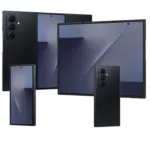
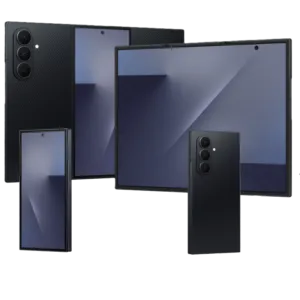
Unfolded: 159.2 x 214.1 x 3.9-4.2 mm Folded: 159.2 x 75 x 12.9 mm
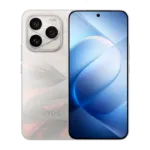
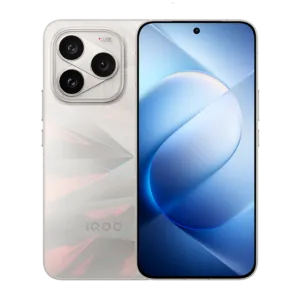
163.8 x 76.9 x 8.3 mm or 8.6 mm Weighti
309 g (10.90 oz)
Standard: 222.5 g (7.85 oz) Glass Variant: 229 g (8.08 oz) Best Buildi
Glass front (Gorilla Glass Victus Ceramic 2) (folded), plastic front (unfolded), ceramic-glass fiber-reinforced polymer back, aluminum frame (Advanced Armor Aluminum), titanium hinge housing
Glass front, aluminum frame, glass-fiber reinforced plastic back or glass back Stylus
Not Supported
— SIMi
· Nano-SIM + Nano-SIM + eSIM + eSIM (max 2 at a time) · Nano-SIM + Nano-SIM + multiple eSIM (max 2 at a time) · Nano-SIM + Nano-SIM
Nano-SIM + Nano-SIM + eSIM (max 2 at a time) - International Nano-SIM + Nano-SIM - China Protection / IP Ratingi
Advanced Armor Aluminum IP48 dust and water resistant (dust > 1mm; immersible up to 1.5m for 30 min)
IP68/IP69 dust tight and water resistant (high pressure water jets; immersible up to 1.5m for 30 min)
Display
8
Display Typei
Tri-foldable Dynamic LTPO AMOLED 2X
AMOLED Display Sizei
10.0 inches, 305.4 cm2 (~89.6% screen-to-body ratio) Best
6.85 inches, 114.0 cm2 (~90.5% screen-to-body ratio) Resolutioni
1584 x 2160 pixels, 4:3 ratio
1440 x 3168 pixels Pixel Densityi
~269 ppi
~508 ppi Best Refresh Ratei
120Hz
165Hz Best Peak Brightnessi
1600 nits
10000 nits Best Protectioni
Flexible polymer with shock-absorbing layer
Reinforced glass + pre-installed screen protector Display Features
HDR
3300Hz PWM, Dolby Vision, HDR10+, HDR Vivid
Main Camera
4
Cameras
Triple camera
Triple camera Modulesi
200 MP, f/1.7, 24mm (wide), 1/1.3", 0.6µm, multi-directional PDAF, OIS 10 MP, f/2.4, 67mm (telephoto), 1/3.94", 1.0µm, PDAF, OIS, 3x optical zoom 12 MP, f/2.2, 13mm, 120˚ (ultrawide), 1/2.55", 1.4µm, dual pixel PDAF Best
50 MP, f/1.7, (wide), 1/1.3", PDAF, OIS 50 MP, f/2.7, 85mm (periscope telephoto), 1/1.95", 0.8µm, PDAF, OIS, 3x optical zoom 50 MP, f/2.1, 15mm (ultrawide), 1/2.75", 0.64µm, AF Features
LED flash, HDR, panorama
LED flash, HDR, panorama Videoi
8K@30fps, 4K@60fps, 1080p@60/120/240fps (gyro-EIS), 10-bit HDR, HDR10+
8K@30fps, 4K@24/30/60fps, 1080p@30/60/120/240fps, gyro-EIS
Selfie Camera
4
Cameras
Dual camera
Single camera Modulesi
10 MP, f/2.2, 18mm (ultrawide), 1/3.0", 1.12µm Cover camera: 10 MP, f/2.2, 24mm (wide), 1/3.0", 1.12µm
32 MP, f/2.2, 21mm (wide), 1/3.1", 0.7µm Best Features
HDR
HDR Videoi
4K@30/60fps, 1080p@30/60fps, gyro-EIS
4K@30/60fps, 1080p@30/60fps
Sound
4
Loudspeaker
Yes, with stereo speakers
Yes, with stereo speakers Audio Jacki
No
No Audio Codeci
FLAC, ALAC, APE, AAC, MP3, Vorbis, Opus, WMA, Dolby Digital
SBC, AAC, aptX, aptX HD, aptX Adaptive, aptX Lossless, LDAC, LHDC 5.0 Spatial Audio
Dolby Atmos, Samsung 360 Audio
3D Spatial Audio (OriginOS sound effects / binaural head-tracking support on compatible earbuds)
Connectivity & Ports
7
WLAN
Wi-Fi 802.11 a/b/g/n/ac/6e/7, tri-band, Wi-Fi Direct
Wi-Fi 802.11 a/b/g/n/ac/6/7, dual-band, Wi-Fi Direct Bluetoothi
5.4, A2DP, LE, aptX HD, ASHA
5.4/6.0, A2DP, LE, aptX HD, aptX Adaptive, aptX Lossless, LHDC 5 GPS / Positioningi
GPS, GALILEO, GLONASS, BDS, QZSS
GPS (L1+L5), GLONASS (G1), BDS (B1I+B1c+B2a), GALILEO (E1+E5a), QZSS (L1+L5) NFCi
Yes
Yes Radio
No
No USBi
USB Type-C 3.2 Gen 1, OTG
USB Type-C 3.2, OTG Other Port
—
Infrared port 
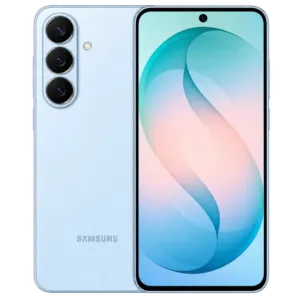 Samsung Galaxy S26+
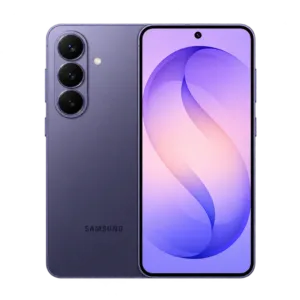 Samsung Galaxy S26Compare specs
 Apple iPhone 17 Pro Max
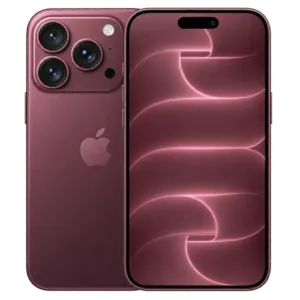 Apple iPhone 18 Pro MaxCompare specs
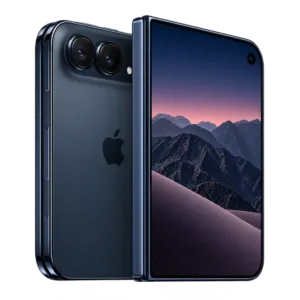 Apple iPhone DuoCompare specs
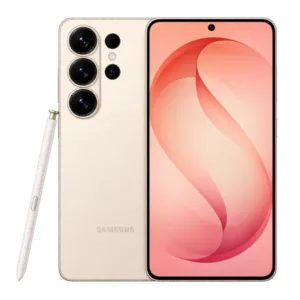 Samsung Galaxy S26 UltraCompare specs