
Apple iPhone Duo vs Oppo Reno 17
Specs comparisonCompare the Apple iPhone Duo (Oct 2026) and the Oppo Reno 17 (Nov 2026) side by side: display, performance, cameras, battery, charging and price, with the better value in each row marked.
Key differences
5
- Apple iPhone Duo has the bigger screen: 7.6" vs 6.56".
- Chips: Apple A20 Pro vs Qualcomm SM7750-AB Snapdragon 7 Gen 4.
- Oppo Reno 17 has the bigger battery: 8,000 mAh vs 4,883 mAh.
- Oppo Reno 17 has the higher-resolution main camera: 50 MP vs 48 MP.
- Oppo Reno 17 is newer: released Nov 2026 vs Oct 2026.
About 1 min

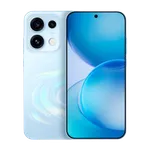
| The best value in a row is marked Best | ||||||||||||||||||||||||||
|---|---|---|---|---|---|---|---|---|---|---|---|---|---|---|---|---|---|---|---|---|---|---|---|---|---|---|
| SpecGist Score | 7.9 / 10 · Very good | 8.4 / 10 · Very good Best | ||||||||||||||||||||||||
| Brand | Apple | Oppo | ||||||||||||||||||||||||
| Versions | A3720 (International); A3447 (USA); A3719 (Middle East, Canada, Mexico); A3721 (China) | — | ||||||||||||||||||||||||
| Announced | 2026, September 09 | November 16, 2026 | ||||||||||||||||||||||||
| Released | 2026, October 23 | November 20, 2026 | ||||||||||||||||||||||||
| Availability | Available | Available | ||||||||||||||||||||||||
| Technology | GSM / HSPA / LTE / 5G | GSM / HSPA / LTE / 5G | ||||||||||||||||||||||||
| 2G Bands | GSM 850 / 900 / 1800 / 1900 | GSM 850 / 900 / 1800 / 1900 | ||||||||||||||||||||||||
| 3G Bands | HSDPA 850 / 900 / 1700(AWS) / 1900 / 2100 | HSDPA 850 / 900 / 2100 | ||||||||||||||||||||||||
| 4G Bands | 1, 2, 3, 4, 5, 7, 8, 12, 13, 14, 17, 18, 19, 20, 25, 26, 28, 29, 30, 32, 34, 38, 39, 40, 41, 42, 48, 53, 66, 71, 106 - A3447, A37191, 2, 3, 4, 5, 7, 8, 12, 13, 17, 18, 19, 20, 25, 26, 28, 30, 32, 34, 38, 39, 40, 41, 42, 48, 53, 66, 106 - A37201, 2, 3, 4, 5, 7, 8, 12, 13, 17, 18, 19, 20, 25, 26, 28, 30, 32, 34, 38, 39, 40, 41, 42, 48, 66, 106 - A3721 | 1, 3, 4, 5, 8, 18, 19, 26, 28, 34, 38, 39, 40, 41, 42, 43, 48, 66 | ||||||||||||||||||||||||
| 5G Bands | 1, 2, 3, 5, 7, 8, 12, 20, 25, 26, 28, 30, 38, 40, 41, 48, 53, 66, 70, 75, 77, 78, 79 SA/NSA/Sub6 - A37201, 2, 3, 5, 7, 8, 12, 14, 20, 25, 26, 28, 29, 30, 38, 40, 41, 48, 53, 66, 70, 71, 75, 77, 78, 79, 258, 260, 261 SA/NSA/Sub6/mmWave - A34471, 2, 3, 5, 7, 8, 12, 20, 25, 26, 28, 30, 38, 40, 41, 48, 66, 70, 75, 77, 78, 79 SA/NSA/Sub6 - A37211, 2, 3, 5, 7, 8, 12, 14, 20, 25, 26, 28, 29, 30, 38, 40, 41, 48, 53, 66, 70, 71, 75, 77, 78, 79 SA/NSA/Sub6 - A3719 | 1, 3, 5, 8, 18, 26, 28, 38, 40, 41, 48, 66, 77, 78 SA/NSA | ||||||||||||||||||||||||
| Speed | HSPA, LTE, 5G | HSPA, LTE, 5G | ||||||||||||||||||||||||
| Dimensions | Unfolded: 117.8 x 164.6 x 5.2 mmFolded: 117.8 x 84.1 x 11.3 mm | 157.6 x 75.3 x 8.3 mm(6.20 x 2.96 x 0.33 in) | ||||||||||||||||||||||||
| Weight | 254 g (8.96 oz) | 206 g (7.27 oz) Best | ||||||||||||||||||||||||
| Build | Glass front (Ceramic Shield 2) (folded)Titanium frame & hindge (grade 5)Glass back (Ceramic Shield) | Glass front, aluminum frame | ||||||||||||||||||||||||
| Stylus | Yes, support Apple Pencil (USB-C) model | — | ||||||||||||||||||||||||
| SIM | · eSIM + eSIM (8 or more, max 2 at a time) - Global· eSIM + eSIM (China) | Nano-SIM + Nano-SIM | ||||||||||||||||||||||||
| Protection / IP Rating | IP68 dust tight and water resistant (immersible up to 6m for 30 min) | IP68/IP69K dust tight and water resistant (high pressure water jets; immersible up to 1.5m for 30 min) | ||||||||||||||||||||||||
| Display Type | LTPO Super Retina XDR OLED | AMOLED | ||||||||||||||||||||||||
| Display Size | 7.6 inches, 175.4 cm2 (~90.4% screen-to-body ratio) Best | 6.56 inches, 105.5 cm2 (~88.9% screen-to-body ratio) | ||||||||||||||||||||||||
| Resolution | 1878 x 2670 pixels | 1208 x 2624 pixels, 19.5:9 ratio | ||||||||||||||||||||||||
| Pixel Density | ~430 ppi | ~440 ppi Best | ||||||||||||||||||||||||
| Refresh Rate | 120Hz | 120Hz | ||||||||||||||||||||||||
| Peak Brightness | 1000 nits (typ), 1600 nits (HBM), 3000 nits (peak) | 6000 nits Best | ||||||||||||||||||||||||
| Protection | Nano Texture finishAnti‑reflective coating | Crystal Shield Glass | ||||||||||||||||||||||||
| Display Features | HDR10, Dolby Vision, Wide-angle OLED matte display | — | ||||||||||||||||||||||||
Size comparisonDrawn to the same scale, screens included (foldables shown folded).
| ||||||||||||||||||||||||||
| Display Type | LTPO Super Retina XDR OLED | — | ||||||||||||||||||||||||
| Display Size | 5.4 inches | — | ||||||||||||||||||||||||
| Resolution | 1398 x 2034 pixels | — | ||||||||||||||||||||||||
| Pixel Density | 460 ppi | — | ||||||||||||||||||||||||
| Refresh Rate | 120Hz | — | ||||||||||||||||||||||||
| Peak Brightness | 1000 nits (typ), 1600 nits (HBM), 3000 nits (peak) | — | ||||||||||||||||||||||||
| Protection | Ceramic Shield 2, Anti‑reflective coating | — | ||||||||||||||||||||||||
| Display Features | HDR10, Dolby Vision | — | ||||||||||||||||||||||||
| Operating System | iOS | Android | ||||||||||||||||||||||||
| OS Version | 27 | 17 | ||||||||||||||||||||||||
| Update Support | — | Up to 5 years of major OS updates | ||||||||||||||||||||||||
| Updates until | — | 2031 (Nov) · 4 years 11 months left | ||||||||||||||||||||||||
| User Interface | — | ColorOS 17 | ||||||||||||||||||||||||
| Chipset | Apple A20 Pro (2 nm) | Qualcomm SM7750-AB Snapdragon 7 Gen 4 (4 nm) | ||||||||||||||||||||||||
| CPU | Hexa-core (2x GHz high performance + 4x GHz) | Octa-core (1x2.8 GHz Cortex-720 & 4x2.4 GHz Cortex-720 & 3x1.8 GHz Cortex-520) | ||||||||||||||||||||||||
| GPU | Apple GPU (7-core graphics) | Adreno 722 | ||||||||||||||||||||||||
| RAM Options | 12GB | 8GB, 12GB | ||||||||||||||||||||||||
| Storage Options | 256GB / 12GB RAM512GB / 12GB RAM1TB / 12GB RAM2TB / 12GB RAM | 256GB / 8GB RAM256GB / 12GB RAM512GB / 12GB RAM1TB / 12GB RAM | ||||||||||||||||||||||||
| Storage Type | NVMe | UFS 3.1 | ||||||||||||||||||||||||
| Card Slot | No | No | ||||||||||||||||||||||||
| Cameras | Dual camera | Triple camera | ||||||||||||||||||||||||
| Modules | 48 MP, f/1.6, 26mm (wide), PDAF, sensor-shift OIS48 MP, f/2.2, 13mm, 120˚ (ultrawide), 1/2.55", 0.7µm, PDAF | 50 MP, f/1.8, 26mm (wide), PDAF, OIS50 MP, f/2.8, 80mm (telephoto), PDAF, OIS, 3.5x optical zoom50 MP, f/2.0, 16mm, 116˚ (ultrawide), AF Best | ||||||||||||||||||||||||
| Features | Dual-LED dual-tone flash, HDR (photo/panorama) | Color spectrum sensor, Multi-focus LED flash, HDR, panorama | ||||||||||||||||||||||||
| Video | 4K@24/25/30/60/100/120fps, 1080p@25/30/60/120/240fps, 10-bit HDR, Dolby Vision HDR (up to 120fps), ProRes, 3D (spatial) video/audio, stereo sound rec. | 4K@30/60fps, 1080p@30/60/120fps, gyro-EIS, HDR | ||||||||||||||||||||||||
| Cameras | Dual camera | Single camera | ||||||||||||||||||||||||
| Modules | 4 MP, f/1.8, 22mm (wide), under display camera (1080p@30/60fps)Cover camera:12 MP multi-aspect, f/2.2, (wide), AF | 50 MP, f/2.0, 18mm, 100˚ (ultrawide), AF Best | ||||||||||||||||||||||||
| Features | HDR, Dolby Vision HDR, spatial audio, stereo sound rec. | Panorama, HDR | ||||||||||||||||||||||||
| Video | 4K@24/25/30/60fps, 1080p@25/30/60/120fps, gyro-EIS | 4K@30/60fps, 1080p@30/60fps, gyro-EIS, HDR | ||||||||||||||||||||||||
| Loudspeaker | Yes, with stereo speakers | Yes, Dual stereo speakers | ||||||||||||||||||||||||
| Audio Jack | No | No | ||||||||||||||||||||||||
| Audio Codec | — | SBC, AAC, aptX, aptX HD, aptX Adaptive, LDAC, LHDC 5.0 | ||||||||||||||||||||||||
| Spatial Audio | 3D (spatial) video/audio, stereo sound | — | ||||||||||||||||||||||||
| WLAN | Wi-Fi 802.11 a/b/g/n/ac/6e/7, tri-band, hotspot | Wi-Fi 802.11 a/b/g/n/ac/6, dual-band | ||||||||||||||||||||||||
| Bluetooth | 6.0, A2DP, LE | 5.4, A2DP, LE, aptX HD, aptX Adaptive, LHDC 5 | ||||||||||||||||||||||||
| GPS / Positioning | GPS (L1+L5), GLONASS, GALILEO, BDS, QZSS, NavIC | GPS (L1+L5), BDS (B1I+B1C+B2a), GALILEO (E1+E5a), QZSS (L1+L5), GLONASS | ||||||||||||||||||||||||
| NFC | Yes | Yes | ||||||||||||||||||||||||
| Radio | No | No | ||||||||||||||||||||||||
| USB | USB Type-C 3.2 Gen 2, DisplayPort | USB Type-C 2.0, OTG | ||||||||||||||||||||||||
| Other Port | — | Infrared port | ||||||||||||||||||||||||
| Fingerprint | Yes (side-mounted) | Yes, (under display, optical) | ||||||||||||||||||||||||
| Face Unlock | No Face ID | Yes (2D optical via the 50MP front camera) | ||||||||||||||||||||||||
| Sensors | Accelerometer, gyro, proximity, compass, barometer | Accelerometer, gyro, proximity, compass | ||||||||||||||||||||||||
| Other Features | Ultra Wideband (UWB) support (gen2 chip)Emergency SOS, Messages and Find My via satellite | — | ||||||||||||||||||||||||
| Battery Type | Li-Ion | Li-Ion | ||||||||||||||||||||||||
| Battery Capacity | 4883 mAh | 8000 mAh Best | ||||||||||||||||||||||||
| Wired Charging | PD3.2, AVS, 50% in 20 min | 80W wired, 55W PPS, 44W/80W UFCS, 13.5W PD Best | ||||||||||||||||||||||||
| Wireless Charging | 25W wireless MagSafe/Qi2, 50% in 30 min | Not supported | ||||||||||||||||||||||||
| Reverse Charging | — | Reverse wired (watt unspecified) | ||||||||||||||||||||||||
| Colors | Night Sky, Star White | Ice Moon White, Cocoa Brown, First Snow White, Encounter Cat (special edition) | ||||||||||||||||||||||||
| Models | A3720, A3721, A3447, A3719 | PYK110 | ||||||||||||||||||||||||
| Launch MSRP | $1,999 | €2,299 | £1,999 | — | ||||||||||||||||||||||||
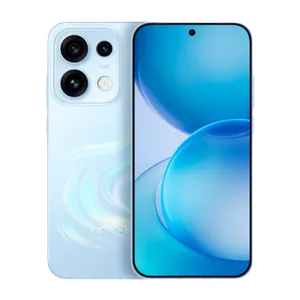
These devices share the same listed specifications. Turn off “Show differences only” to see every row.
Most compared devices
The matchups our readers check most. Tap any pair to see the full side-by-side specs comparison.
- 28
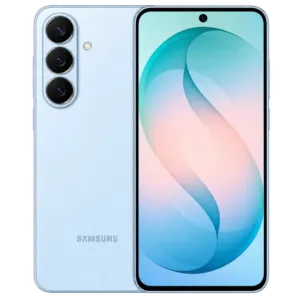 Samsung Galaxy S26+
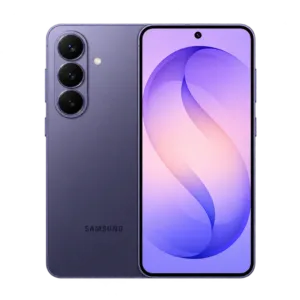 Samsung Galaxy S26Compare specs
- 14
 Apple iPhone 17 Pro Max
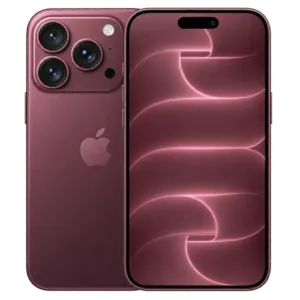 Apple iPhone 18 Pro MaxCompare specs
- 10Samsung Galaxy S26
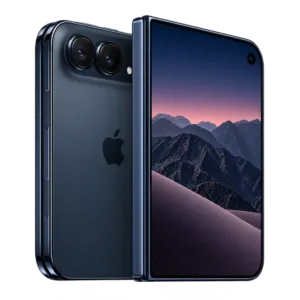 Apple iPhone DuoCompare specs
- Apple iPhone 17 Pro MaxApple iPhone DuoCompare specs
- Samsung Galaxy S26+
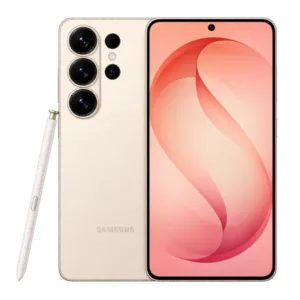 Samsung Galaxy S26 UltraCompare specs
- Samsung Galaxy S26Samsung Galaxy S26 UltraCompare specs
Popular devices to use instead of Apple iPhone Duo
Open Phone Finder SamsungSamsung Galaxy S26Use
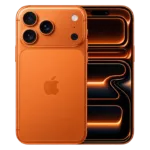 AppleApple iPhone 17 Pro MaxUse
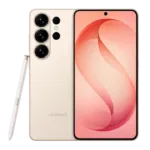 SamsungSamsung Galaxy S26 UltraUse
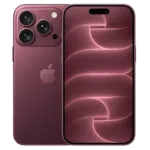 AppleNewApple iPhone 18 Pro MaxUse
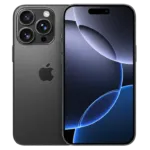 AppleApple iPhone 16 Pro MaxUse
 GoogleGoogle Pixel 9 Pro XLUse
 InfinixInfinix Hot 11Use
 SamsungSamsung Galaxy Z Fold7Use
 SamsungSamsung Galaxy S26+Use
 SamsungSamsung Galaxy Z Fold8Use